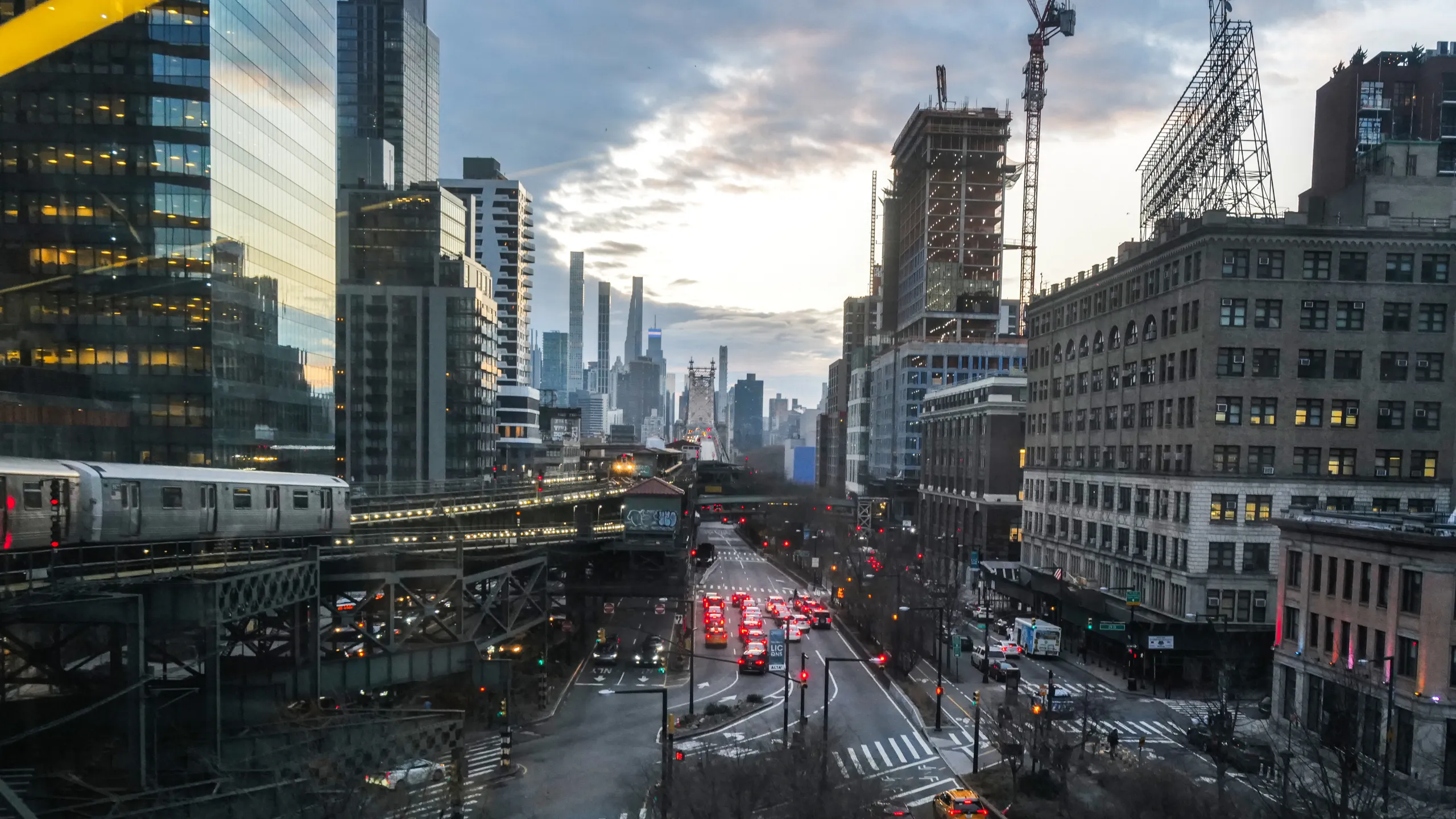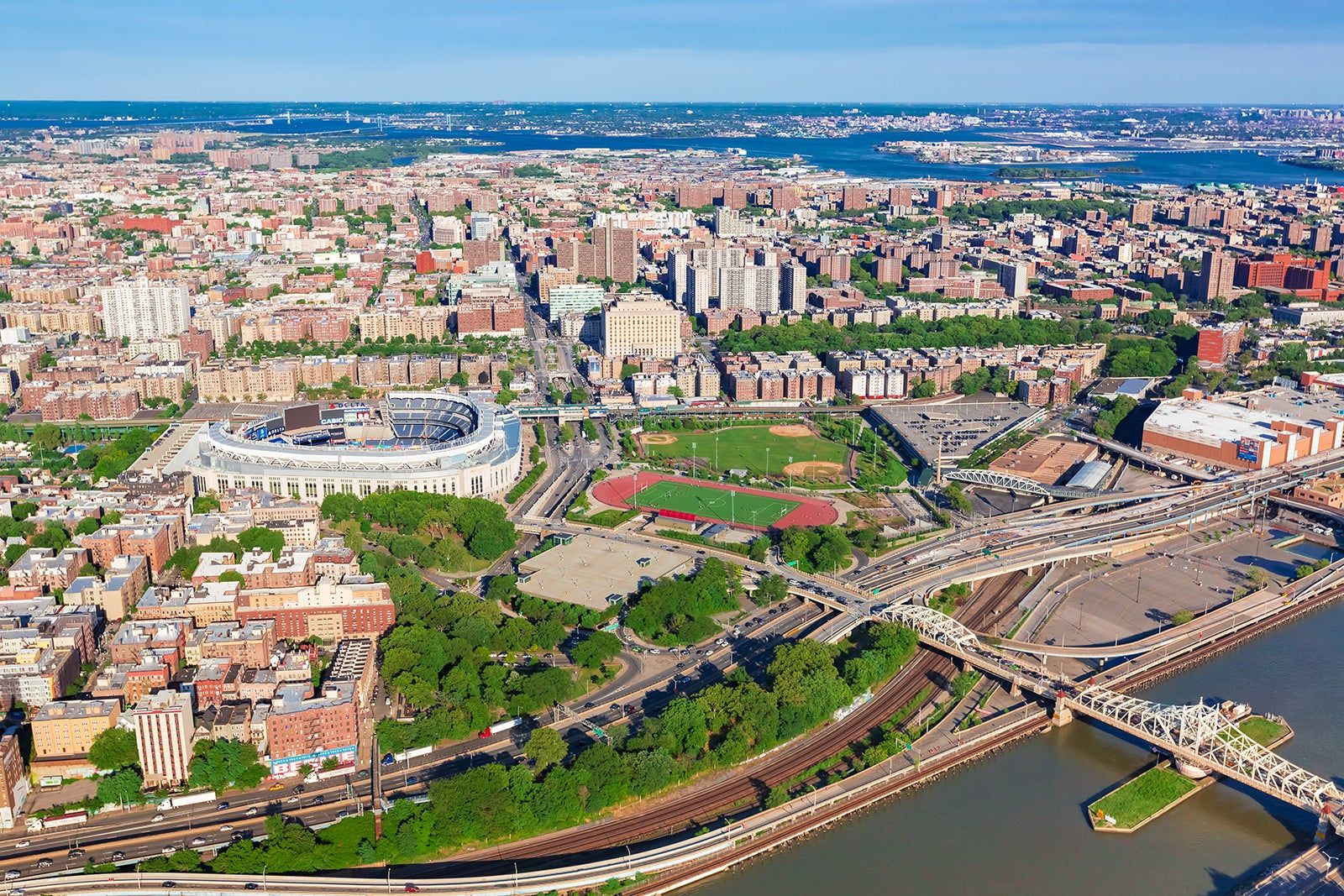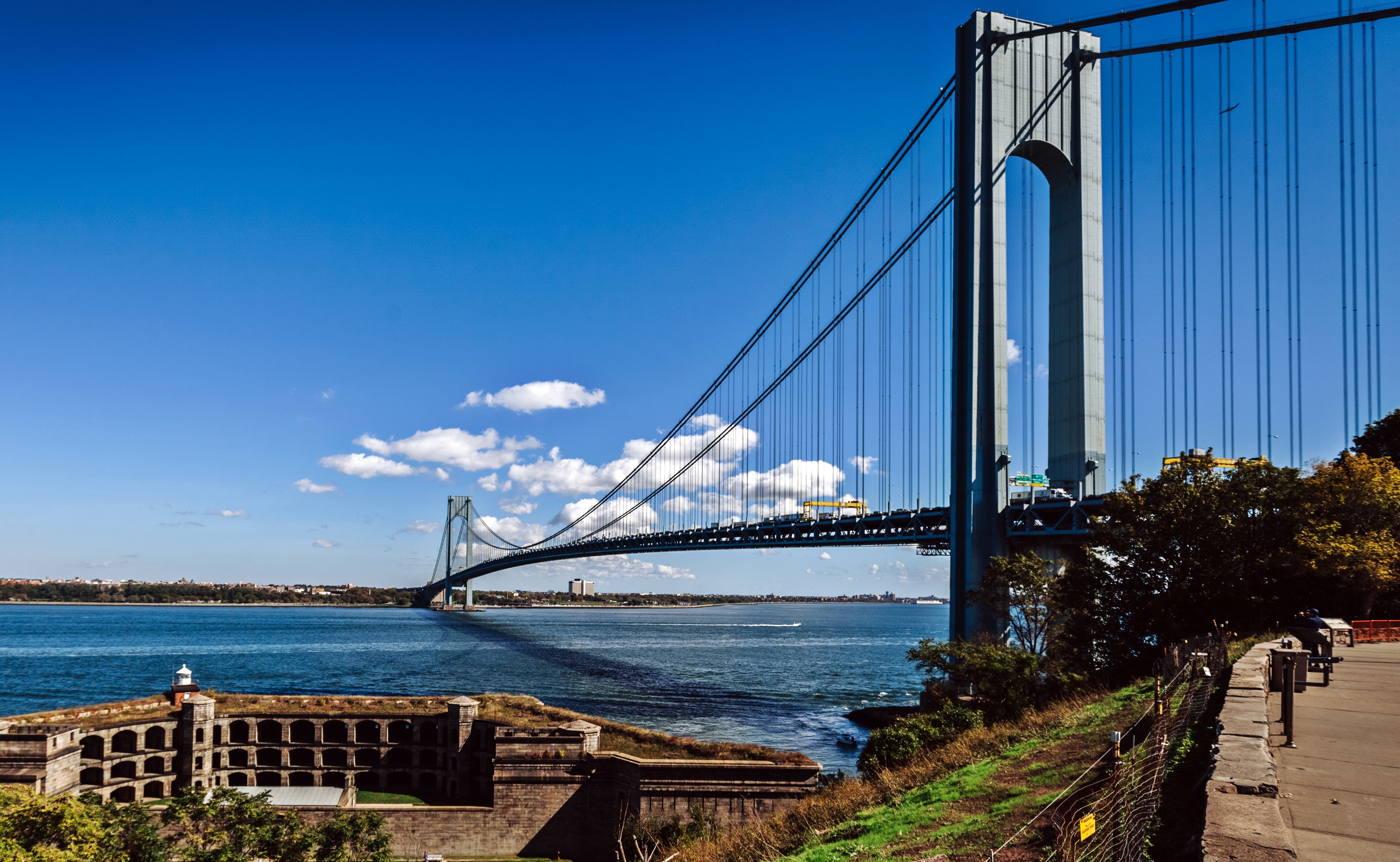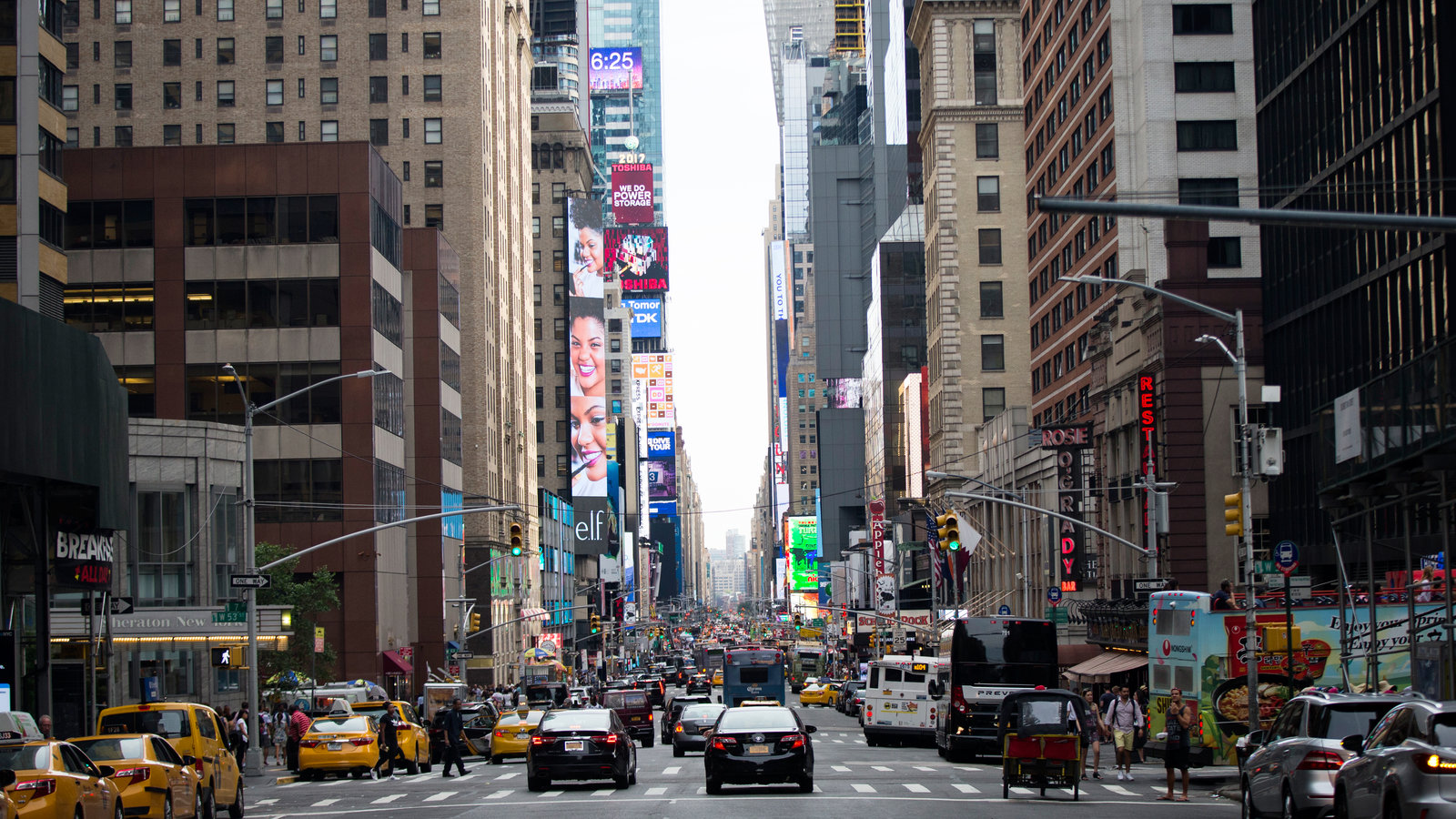
Brooklyn covers enough ground that a 1031 exchange out of a Sunset Park warehouse looks nothing like one out of a Bedford-Stuyvesant brownstone or a Barclays Center-area office condo. The borough's range is the main planning variable: a seller has to decide early whether the replacement search stays inside the same submarket or widens across Brooklyn or into New York City more broadly.
A Borough of Distinct Submarkets
Northwest Brooklyn, Brooklyn Heights, DUMBO, Williamsburg, and Greenpoint, trades on converted-industrial office space, waterfront residential towers, and premium retail. Central Brooklyn holds most of the borough's rowhouse and small multifamily stock. South Brooklyn and the waterfront around Sunset Park and Red Hook carry the borough's working industrial base, including last-mile distribution buildings serving New York City delivery demand.
A seller exiting any one of those submarkets is rarely shopping the whole borough for a replacement; the asset class and management style usually matter more than staying in the same neighborhood.
Further south, Bay Ridge, Bensonhurst, and Sheepshead Bay carry a different pattern still: two-family and small mixed-use buildings along car-oriented avenues like Fourth Avenue and Kings Highway, serving local retail tenants rather than the destination shopping found in North Brooklyn. East New York and Brownsville, meanwhile, have seen rezoning-driven residential development add newer mixed-income buildings to a market that had been almost entirely older rowhouse and small-multifamily stock, giving sellers there a wider range of comparable vintages to draw from than a decade ago.
Waterfront Industrial and Last-Mile Assets
Sunset Park's Industry City complex and the Red Hook waterfront hold a mix of older manufacturing buildings repositioned for light industrial, self-storage, and last-mile logistics tenants. Owners selling out of that stock often replace with similar industrial product elsewhere in Brooklyn or Queens, where zoning still supports the use.
Because industrial buildings in this corridor rarely sit vacant long, sellers usually need to move quickly on identification rather than waiting for a specific building to come to market.
Multifamily From Brownstone to Elevator Building
Central and North Brooklyn multifamily ranges from two- and three-family rowhouses to larger elevator buildings near the waterfront. A seller exiting a small rowhouse portfolio has very different replacement math than one exiting a hundred-unit elevator building, since the smaller asset class trades on a per-building basis while the larger one trades on rent roll and cap rate.
Sellers moving out of hands-on rowhouse management sometimes replace with a single larger multifamily asset, a net-lease retail property, or a Delaware Statutory Trust interest that removes daily management entirely.
Park Slope, Fort Greene, and Clinton Hill brownstones typically carry two to four legal units per building and trade on a per-building basis similar to Central Brooklyn's rowhouse stock, but at a meaningful price premium tied to school zoning and subway access. Newer elevator buildings in Downtown Brooklyn and along the Fourth Avenue corridor in Park Slope, built under recent rezonings, price closer to institutional multifamily comparables and finance on a straightforward rent-roll basis, which makes them a common landing spot for a seller stepping up from rowhouse-scale ownership.
Building the 45-Day List
Because Brooklyn covers so many submarkets, sellers need a clear reason for each candidate on the identification list rather than a broad wish list. A workable Brooklyn identification list usually addresses:
- Asset class fit relative to what was sold
- Realistic closing timeline given lender turnaround
- Rent roll or lease term quality if the candidate is income-producing
- Whether the three-property rule or the 200% rule fits the number of candidates
- A documented backup if the lead candidate falls through
Closing Coordination Across Brooklyn Deals
The qualified intermediary holds sale proceeds from the day the Brooklyn property closes through the day the replacement closes, and that structure has to be in place before the first closing, not arranged afterward. Constructive receipt of the funds at any point voids the exchange.
Given how differently Brooklyn's submarkets price and finance, lender coordination matters as much as the identification list itself. A candidate that looks right on paper still has to close inside the 180-day window, which means underwriting should start the moment a property is identified rather than after the list is finalized.
Common 1031 Exchange Questions
Does a Brooklyn seller have to replace within the same submarket?
No. Like-kind treatment applies to real property held for investment or business use anywhere in the United States, so a seller exiting a Sunset Park warehouse can replace with a multifamily building in Bedford-Stuyvesant, or with property outside Brooklyn entirely.
How many properties can be identified when the search spans multiple Brooklyn submarkets?
Under the three-property rule, up to three candidates regardless of value. Under the 200% rule, any number of candidates as long as their combined value doesn't exceed twice the sale price of the relinquished property.
What happens if an Industry City-type industrial candidate sells to another buyer before day 45?
That candidate simply comes off the list, and the seller identifies a different property before the deadline. This is why most sellers keep a backup candidate rather than identifying a single option.
Can a rowhouse portfolio be exchanged into one larger multifamily building?
Yes. Multiple relinquished properties can be exchanged into a single replacement property, or a single property into multiple replacements, as long as the exchange structure and timing rules are followed.
Who confirms whether a Brooklyn exchange creates boot?
A tax advisor or CPA reviews the sale price, replacement price, and debt levels on both sides. Boot typically arises when the replacement value or replacement debt is lower than what was given up.