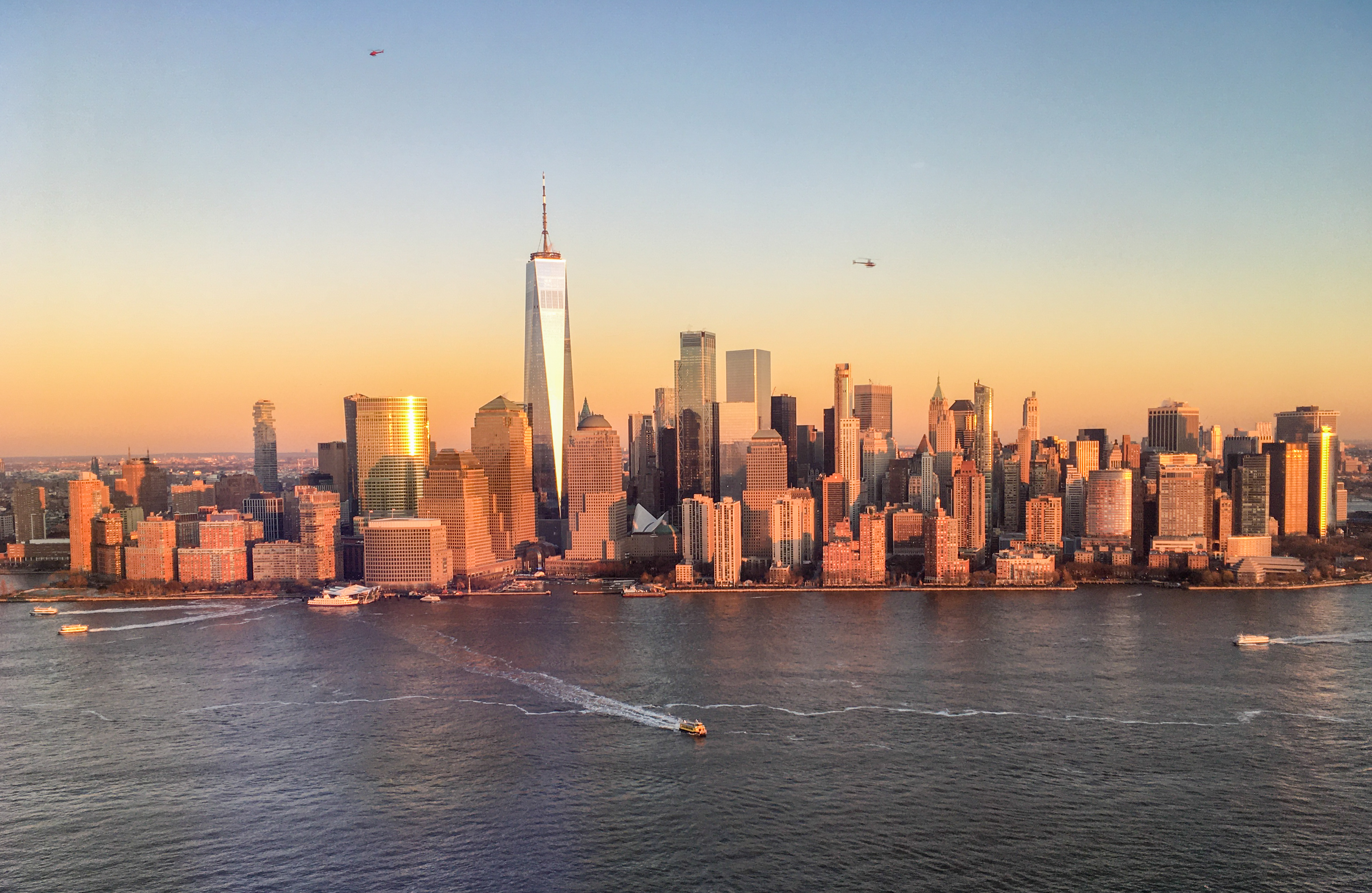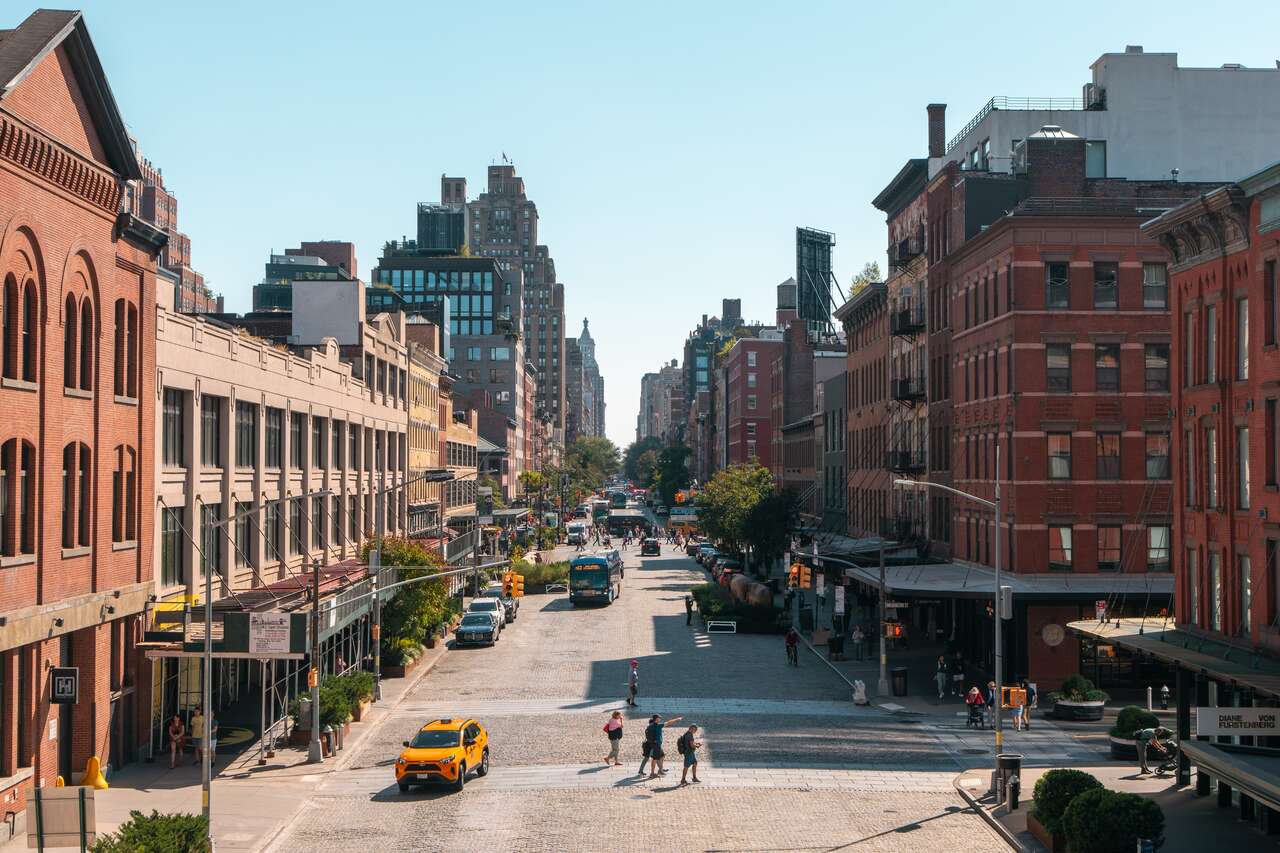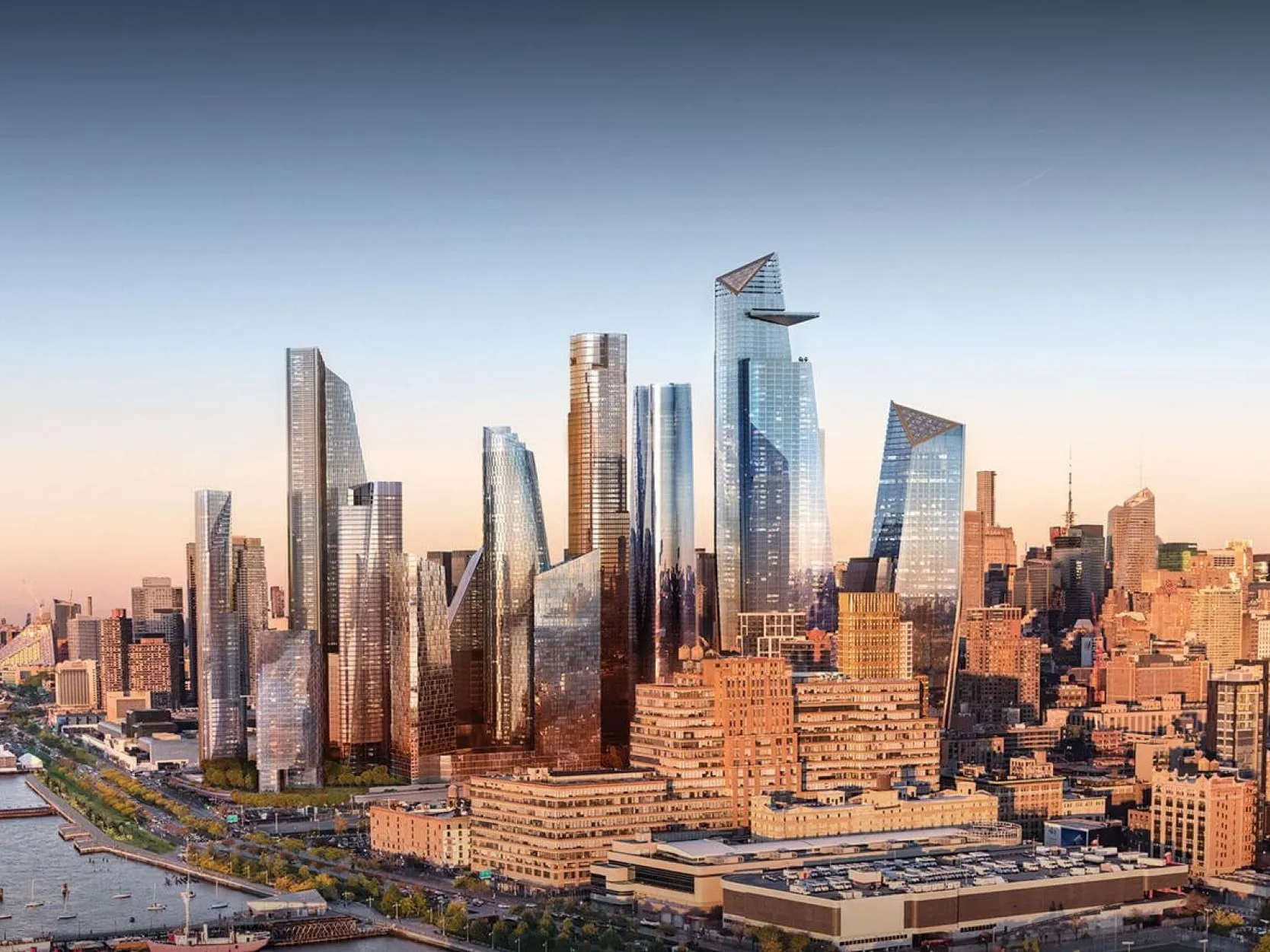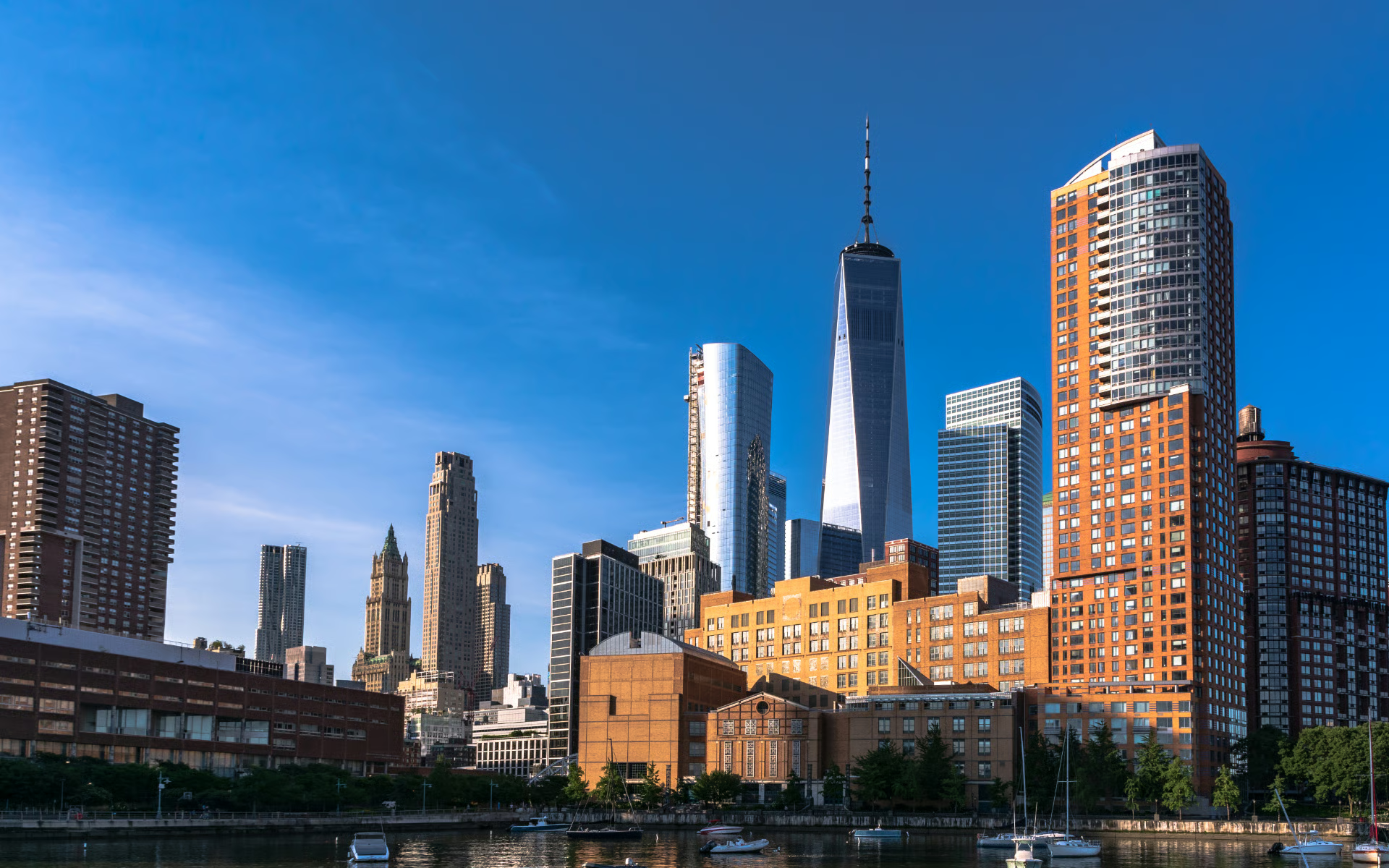
Midtown Manhattan is New York's largest office concentration, stretched from Grand Central and Bryant Park through the Garment District to Penn Station, and it is not underwritten as one product. A trophy tower with a long-term anchor tenant, an aging Class B building with rolling vacancy, a converted Garment District loft, and a Fifth Avenue flagship retail condo all sit inside the same few square miles but attract entirely different buyers.
Trophy Towers and Conversion-Candidate Buildings Are Not the Same Buy
A small number of Midtown towers near Grand Central and Park Avenue hold long institutional leases and trade on stabilized-income terms similar to any other core commercial asset. A much larger share of the office stock, particularly older buildings with smaller floor plates, carries higher vacancy and gets discussed as a candidate for residential conversion rather than as a stabilized hold. An investor identifying either type needs to underwrite it on its own terms rather than assume Midtown office pricing is uniform.
Office-to-Residential Conversion Incentives Created a New Underwriting Category
New York City expanded its incentives and zoning flexibility for converting older, pre-1990s office buildings to residential use, and that has made some Midtown towers more valuable for their conversion potential than for their current office rent roll. Buying one of these buildings purely on in-place income misses the point; the underwriting has to separate what the building earns today from what it could earn after a capital-intensive conversion, and that conversion timeline rarely fits inside a standard exchange window without careful improvement-exchange planning.
Garment District Lofts and Avenue Retail Hold Steady Demand
West of Fifth Avenue, the Garment District's older manufacturing and showroom buildings have converted heavily to creative office and small commercial tenants over the past two decades, and that stock trades on different terms than either trophy towers or ground-floor retail. Flagship retail along Fifth Avenue and near Herald Square still commands rent premiums tied to pedestrian volume and visibility, even as some national retailers have pulled back store counts since the shift to online shopping.
The blocks around Times Square and the Theater District carry a further distinct category, hotel and entertainment-venue real estate whose income depends on tourism volume and Broadway attendance rather than office worker density, and that dependency should be underwritten separately from either the trophy office towers to the east or the Garment District loft stock to the west. Sutton Place and the far east side near the United Nations complex hold a further quieter residential pocket, distinct from the office- and retail-heavy blocks closer to Fifth and Sixth Avenues, worth flagging separately if a search extends across the full width of the district.
Underwriting a Midtown Replacement Across These Categories
Because trophy office, conversion-candidate towers, Garment District lofts, and avenue retail behave like different markets, the identification list should note which category each candidate belongs to before the 45-day window closes.
- Stabilized trophy office with institutional tenants near Grand Central and Park Avenue
- Class B or C office towers underwritten specifically as conversion or value-add candidates
- Garment District loft or showroom buildings leased to creative and small commercial tenants
- Flagship or street-level retail on Fifth Avenue and near Herald Square
- Limited-service or select-service hotel assets serving Midtown's convention and tourism demand
Financing Depends on Whether the Building Is Stabilized or a Conversion Play
Lenders finance a stabilized trophy tower on conventional commercial mortgage terms tied to the existing rent roll. A conversion-candidate building typically needs a bridge loan structured around the projected residential value, and that loan is harder to underwrite until the conversion scope and timeline are set. An investor working inside a 180-day exchange deadline should confirm early which financing path a target Midtown building requires, since a conversion play can take considerably longer to finance than a straightforward office purchase.
Common 1031 Exchange Questions
Can you use exchange funds to convert a Midtown office tower to residential use?
Only through a properly structured improvement exchange, with the qualified intermediary holding and disbursing funds and the improvements substantially complete within the 180-day period. A full office-to-residential conversion rarely finishes that quickly, so most investors treat conversion-candidate towers as a post-closing value-add rather than an in-exchange improvement.
How should you underwrite a Class B Midtown office building with high vacancy?
On its actual in-place income, not its conversion potential, unless the deal is specifically structured and financed as a conversion play. A tax advisor should confirm the exchange numbers work under current rent roll performance before the property is identified.
Is a Midtown hotel property like-kind to the office building you're selling?
Since 2018, essentially any real property held for investment or business use is like-kind to any other, so a hotel qualifies. The more relevant question is whether hotel operating risk fits the investor's goals, which is separate from the exchange mechanics.
Does flagship retail on Fifth Avenue carry more risk than it used to?
Some national retailers have reduced store counts as online shopping has grown, so lease rollover risk on a single-tenant flagship deserves closer review than it did previously. Diversified retail with multiple smaller tenants can offer more stable income than a single flagship lease.
Should you compare a Garment District loft building to a trophy office tower when building your identification list?
They are different asset classes with different tenant profiles and financing paths, so pairing one of each on an identification list can diversify risk, but each should be underwritten on its own rent roll and building condition rather than treated as interchangeable Midtown office space.