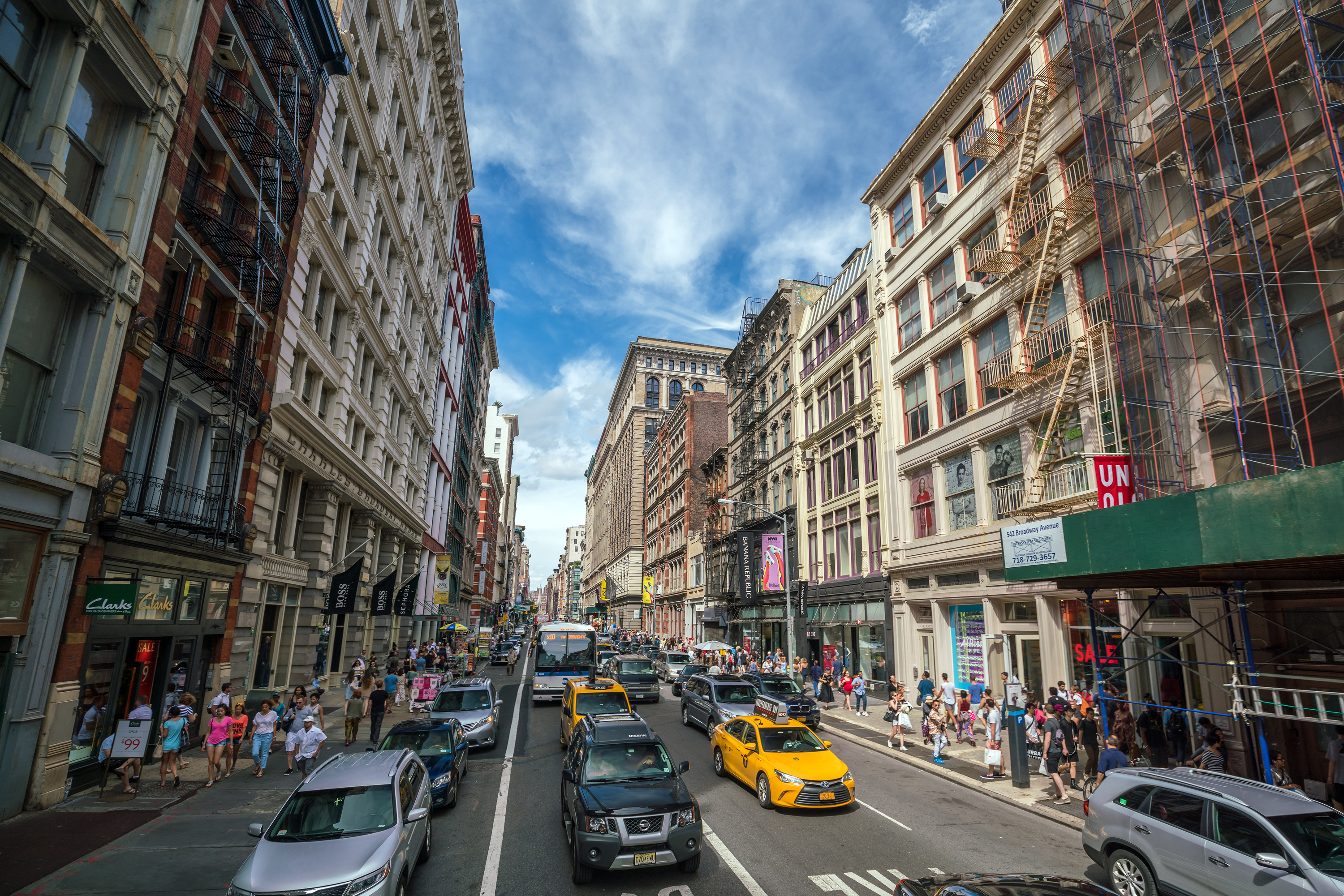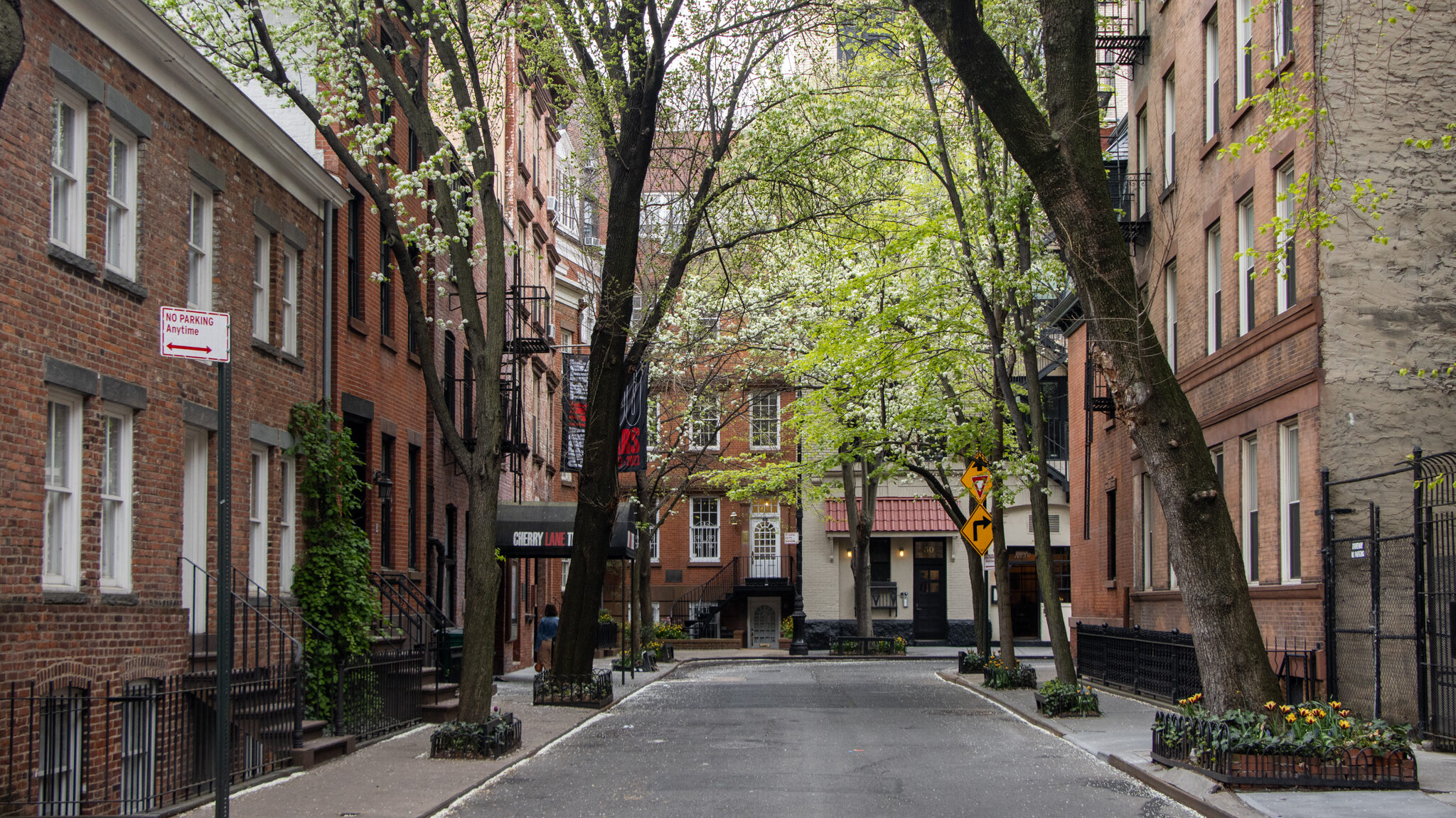
A Chelsea exchange usually starts with either a converted industrial building leased to gallery, office, or retail tenants, or a residential co-op or condo unit held for investment. The neighborhood's ground-floor retail along Ninth Avenue and the High Line corridor adds a third pattern: small commercial condos that trade on lease term rather than square footage alone.
Gallery Blocks, the High Line, and Ground-Floor Retail
West Chelsea's gallery blocks sit inside former warehouse and manufacturing buildings that were repositioned decades ago for art and design tenants, and that stock now commands premium rents relative to its industrial origins. The High Line has pulled retail demand toward Tenth and Eleventh Avenues, while Chelsea Market anchors a food-and-retail cluster that draws steady foot traffic.
Owners selling ground-floor retail or gallery-tenanted buildings in this corridor are usually weighing lease rollover risk against the neighborhood's rent levels, and that risk assessment often shapes whether they stay in New York City retail or move toward a more passive asset class.
The Chelsea Historic District, which covers a large share of the neighborhood's rowhouse blocks east of Eighth Avenue, adds a layer of Landmarks Preservation Commission review to any exterior renovation, a step that rarely affects a building's eligibility for exchange but can extend a buyer's renovation timeline if the purchase depends on facade work. West of the Historic District, the gallery blocks themselves carry no such designation, which is part of why so much of that stock was repositioned for commercial use in the first place.
Converted Industrial Office Stock
Chelsea's converted-loft office buildings lease to media, design, and technology tenants at rents that reflect the neighborhood's location rather than the building's age. Sellers exiting this stock are effectively selling an office asset with an industrial shell, and replacement candidates in other converted-loft submarkets, DUMBO or the Garment District, tend to price similarly.
Owners who want to step out of active leasing altogether sometimes replace with a single-tenant net-lease property or a Delaware Statutory Trust interest instead of another multi-tenant office building.
Chelsea Piers, along the Hudson River waterfront, adds a niche category to this mix: recreational and event-space leases tied to the sports and entertainment complex, which underwrite on operating income and long-term ground-lease terms rather than a standard commercial rent roll. A seller comparing that kind of leasehold interest to a fee-simple gallery building should treat the two as separate asset classes with different financing paths, since a lender evaluating a ground lease will focus heavily on the remaining term and rent-reset schedule.
Replacement Targets for Chelsea Sellers
A seller exiting Chelsea retail or office space has real options both inside and outside the neighborhood: comparable converted-loft space elsewhere in Manhattan, net-lease retail with a national tenant, or a passive multifamily or industrial position outside New York City entirely. The right answer depends on whether the seller wants to stay hands-on or step back from management.
Because Chelsea real estate values are high relative to many other markets, some sellers use the sale proceeds to acquire more than one replacement property rather than a single comparable asset, which changes the identification math.
Identification Rule Selection
Choosing between the identification rules usually comes down to how many candidates are realistic. A Chelsea seller's list typically needs to account for:
- Whether the replacement is one property or several
- The combined value of all candidates relative to the sale price
- Lease rollover exposure on any candidate with existing tenants
- Financing timeline for a converted-loft or gallery-tenanted building
What the Qualified Intermediary Needs by Day 45
The qualified intermediary should be engaged before the Chelsea property closes, since the sale proceeds move directly into the intermediary's control rather than to the seller. By day 45, the intermediary needs a written, signed identification naming the candidate properties.
Alongside that identification, the file benefits from lease abstracts on any tenanted candidate, a lender pre-approval letter, and early input from the seller's CPA on how the numbers affect basis and potential boot.
Common 1031 Exchange Questions
Does a Chelsea co-op unit qualify for a 1031 exchange the same way a commercial building does?
Only if the unit was held for investment or business use rather than as a personal residence. A co-op held and rented as an investment can generally qualify, but a primary residence cannot.
Can Chelsea gallery space be exchanged into an asset class with no art or design tenants at all?
Yes. Like-kind treatment covers real property held for investment or business use broadly, so a gallery building can be exchanged into retail, industrial, or multifamily property without issue.
What if a Chelsea seller wants to split proceeds across two replacement properties?
That's allowed. A single relinquished property can be exchanged into multiple replacement properties, as long as the identification list and closing timeline both follow the standard rules.
How does high Chelsea property value affect the 200% rule?
It doesn't change the rule itself, but it does affect how many candidates can be identified, since their combined value is capped at twice the relinquished property's sale price regardless of how expensive any single candidate is.
Who reviews lease rollover risk on a Chelsea replacement candidate?
That review typically falls to the buyer's broker or asset manager working alongside the lender, and it should happen during the identification period so rollover exposure is understood before the list is finalized.