Williamsburg's real estate splits along two lines: a waterfront strip transformed by a 2005 rezoning into high-rise residential towers, and a broader neighborhood that still functions as two fairly distinct markets, North Williamsburg's gentrified retail and nightlife corridor, and South Williamsburg's large Hasidic Jewish community with its own commercial pattern. A replacement property here should be underwritten against the specific submarket it sits in, not against Williamsburg as one label.
The 2005 Waterfront Rezoning Triggered the Transformation
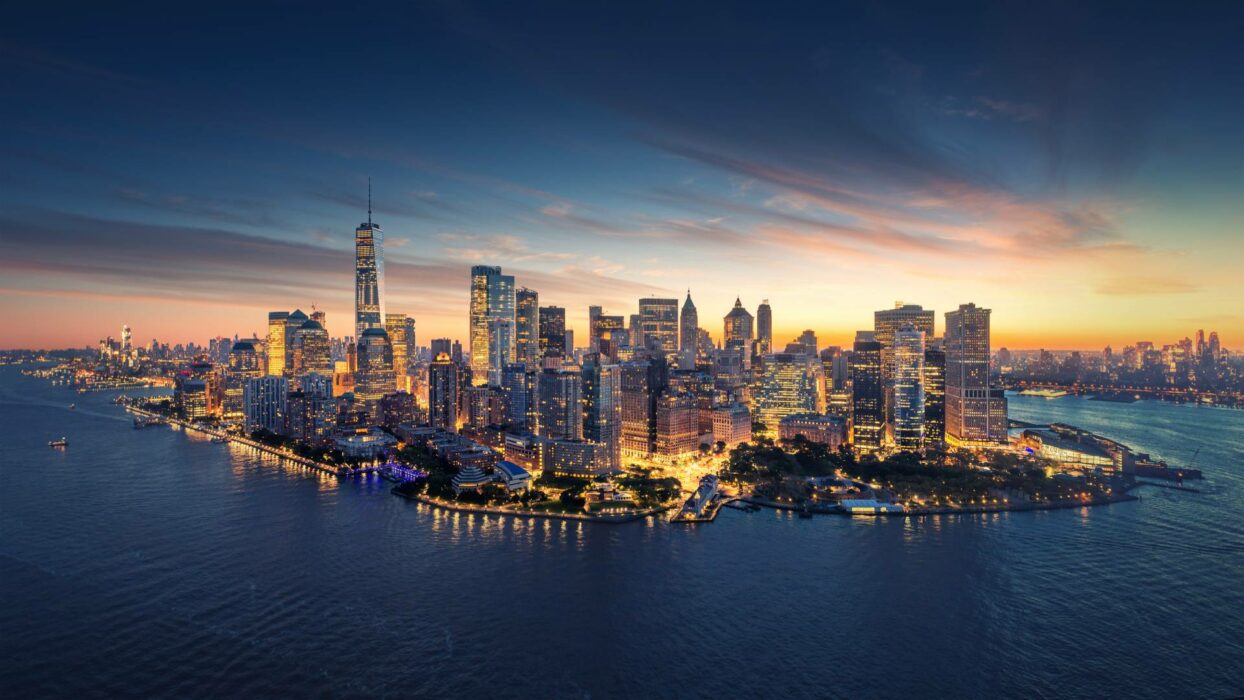
Before 2005, the East River waterfront in Williamsburg was zoned almost entirely for manufacturing use. The rezoning that year opened it to high-rise residential and mixed-use development, and the redevelopment of the former Domino Sugar Refinery site into residential towers and Domino Park became the clearest example of what followed. Waterfront towers built under that rezoning trade as stabilized new-construction multifamily, underwritten similarly to comparable Brooklyn waterfront assets rather than against the neighborhood's older building stock.
North and South Williamsburg Are Functionally Different Markets
North Williamsburg's retail runs along Bedford Avenue and nearby streets, dominated by nightlife, restaurants, and independent boutique retail serving a younger resident base and steady weekend foot traffic. South Williamsburg is home to a large Hasidic Jewish community with its own commercial corridors along streets like Lee Avenue and Marcy Avenue, where retail serves the community directly, including kosher grocery and religious-goods businesses, and residential buildings are typically built or renovated for larger family sizes than the studio and one-bedroom units common in North Williamsburg. Comparable sales and rent data should be pulled from the matching submarket rather than blended across the whole neighborhood.
Industrial Loft Conversions Still Anchor Creative Office Demand
Away from both the waterfront and the two retail corridors, a number of Williamsburg's former factory and brewery buildings have converted to creative office and light-industrial-adjacent commercial use over the past two decades. These buildings carry older mechanical systems and sometimes landmark or zoning quirks tied to their manufacturing origin, and they should be underwritten more like a value-add commercial asset than like a stabilized waterfront tower.
East Williamsburg, bordering Bushwick, holds a further pocket of active light-industrial and artisan-manufacturing tenants alongside a smaller wave of creative-office conversion, distinct from both the waterfront towers and the two retail corridors described above. Rent rolls in this pocket tend to mix short-term artisan and studio leases with longer industrial leases, which makes a unit-by-unit review more important than it would be for a single-use building. Greenpoint, immediately north of Williamsburg's waterfront towers, has followed a broadly similar rezoning-driven residential build-out along its own East River frontage, and buyers frequently compare the two waterfront submarkets directly when underwriting a stabilized new-construction candidate, even though each falls under a separate community board and rezoning timeline.
Underwriting a Williamsburg Replacement Across These Submarkets
Because waterfront towers, North Williamsburg retail, South Williamsburg community retail, and converted industrial lofts all behave differently, the identification list should sort candidates by submarket before the 45-day window closes.
- Waterfront residential towers built under the 2005 rezoning, underwritten as stabilized new construction
- North Williamsburg retail along Bedford Avenue, underwritten on nightlife and weekend foot traffic
- South Williamsburg community retail along Lee and Marcy Avenues, underwritten on local tenant demand
- Converted industrial loft buildings leased to creative office or light-commercial tenants
- Multifamily buildings sized for larger family units common in South Williamsburg
Financing and Advisor Coordination Across Submarkets
Waterfront towers generally finance on conventional multifamily terms tied to a stabilized rent roll. Converted industrial lofts may need a lender comfortable with adaptive-reuse buildings and older systems. Buildings in South Williamsburg are sometimes financed through community-focused lenders familiar with the local market's leasing and ownership patterns, which can differ from a standard citywide underwriting approach. Confirming the right financing path for the specific submarket early gives the investor's tax advisor time to verify the exchange numbers hold up before the 180-day closing deadline.
Common 1031 Exchange Questions
Is a Williamsburg waterfront tower unit financed the same way as an older converted industrial loft?
Not usually. Waterfront towers built under the 2005 rezoning are typically underwritten as stabilized new construction with conventional multifamily financing, while converted industrial lofts often need a lender familiar with adaptive-reuse buildings and older mechanical systems.
How should you underwrite retail on South Williamsburg's Lee Avenue or Marcy Avenue corridors?
Base the underwriting on the specific tenant demand in that corridor, including community-oriented businesses like kosher grocery or religious-goods retailers, rather than applying North Williamsburg's nightlife-driven retail comparables to a different customer base.
Does Bedford Avenue retail carry more turnover risk than other Williamsburg corridors?
It can, since much of the tenant base is restaurants and independent boutique retail sensitive to shifting nightlife and dining trends, which is a different risk profile than the more stable community-serving retail found in South Williamsburg.
Can you use exchange funds to convert an old Williamsburg factory building into creative office space?
Only through a properly structured improvement exchange, with the qualified intermediary holding and disbursing the construction funds and the work substantially complete within the 180-day period. Older industrial buildings often need more extensive systems work than that timeline comfortably allows.
Should you compare North and South Williamsburg before finalizing your identification list?
Yes, since the two function as different markets with different tenant bases, unit sizing, and lease structures, and treating them as one uniform neighborhood can lead to underwriting a replacement property against the wrong comparable set.