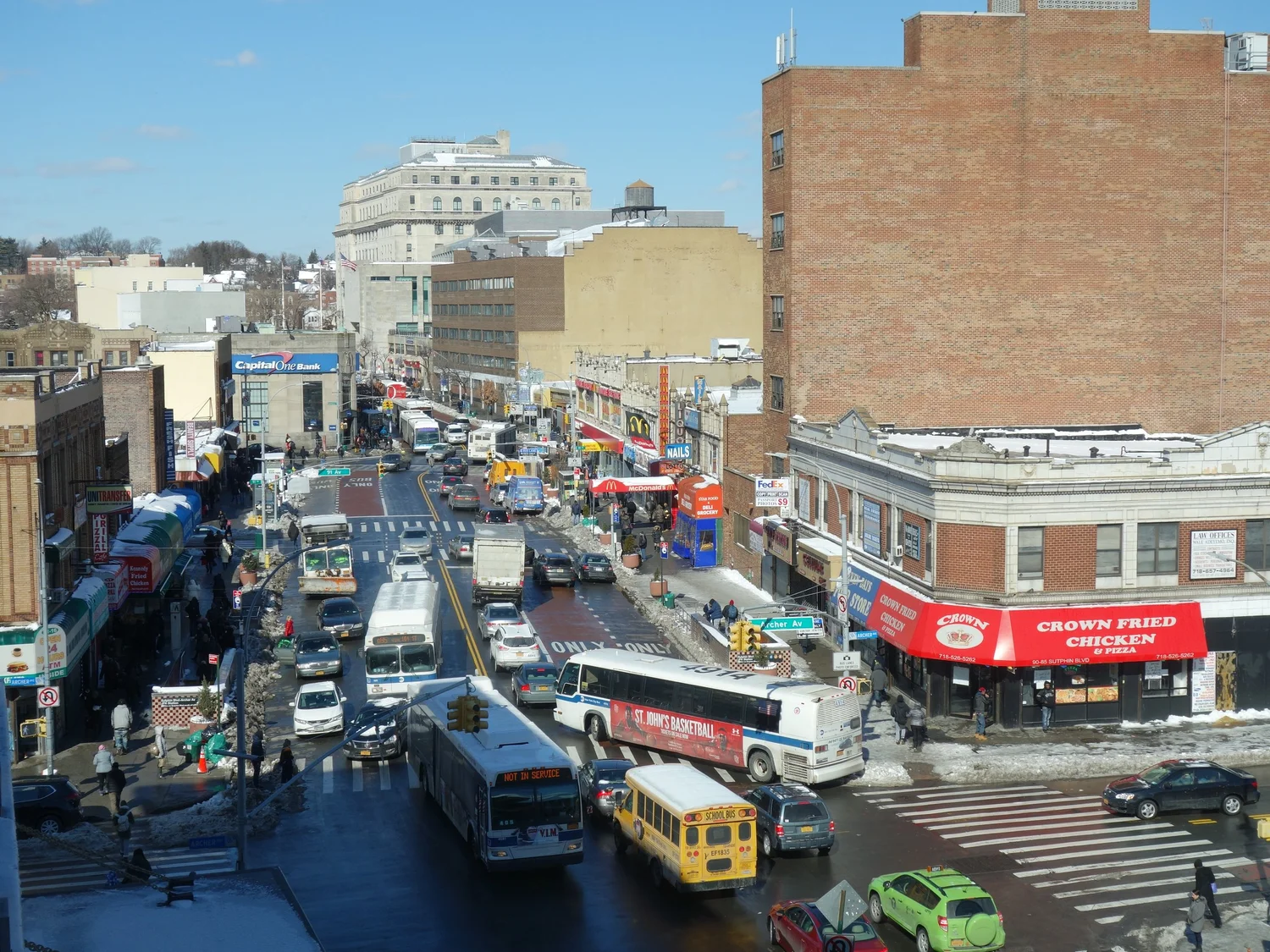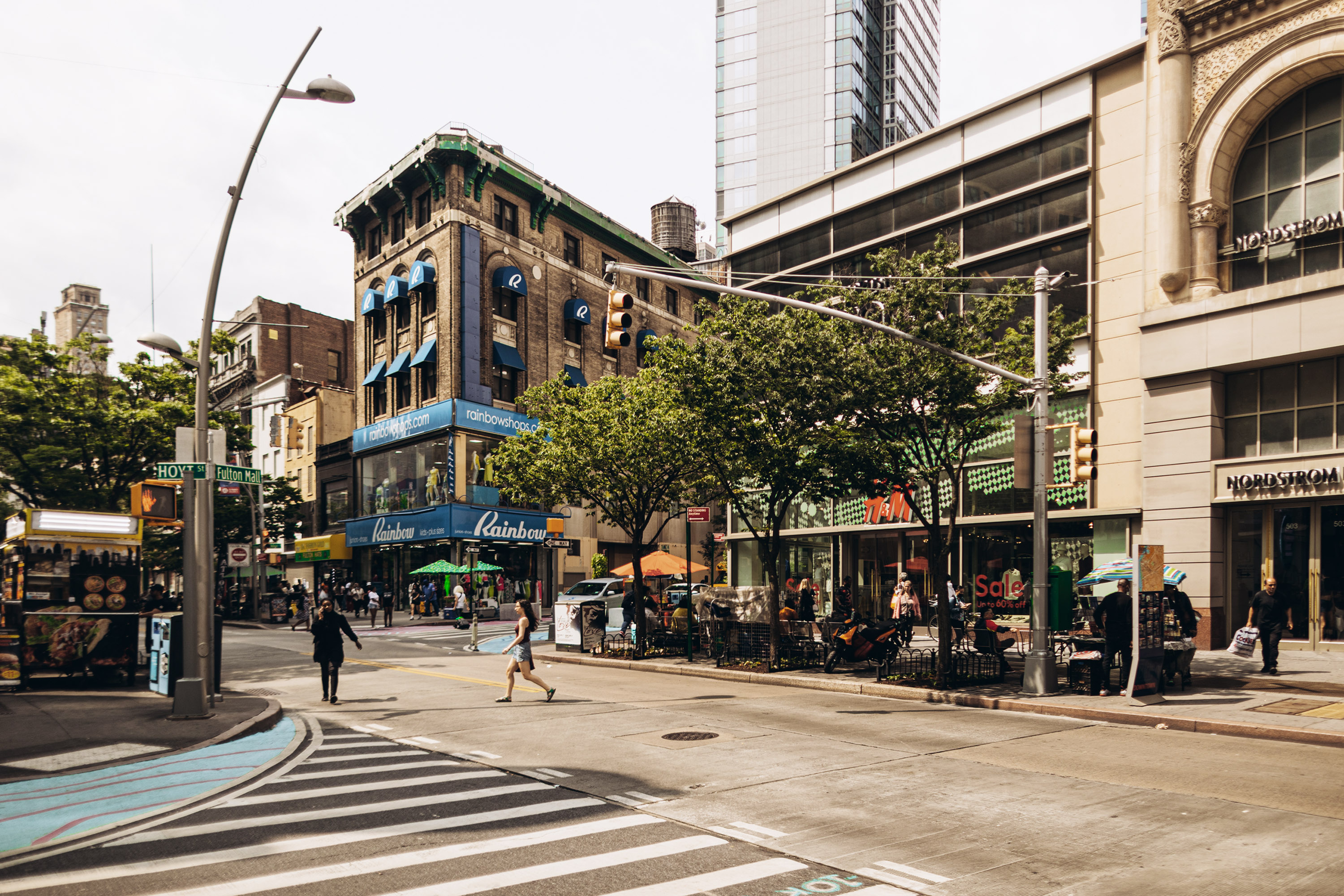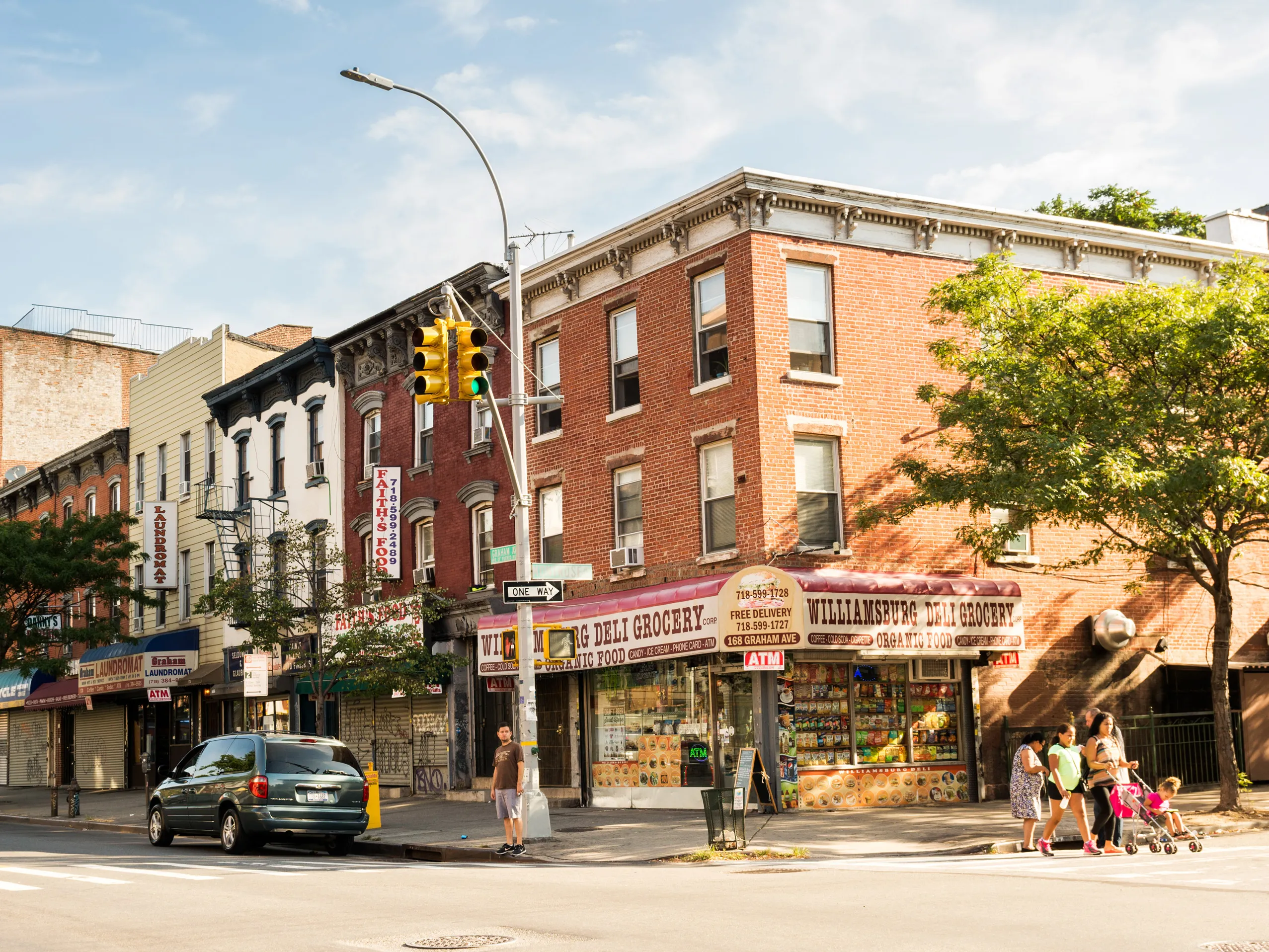
Flushing's Main Street corridor runs on retail density that few other New York City neighborhoods match, and a 1031 exchange out of this submarket usually involves a mixed-use retail-and-residential building rather than a single-use asset of either type.
A Retail Corridor Built on Density
Main Street and Roosevelt Avenue carry one of the busiest retail corridors in Queens, drawing steady foot traffic from a dense Asian-American commercial base clustered near the 7 train terminus and the LIRR station. Ground-floor retail here often leases at a premium relative to the building's overall condition, since location and transit access matter more to tenants than building age.
A seller exiting Flushing retail is typically selling into a market with more buyer demand than available product, which affects both timing on the sale and the pool of comparable replacements.
The area immediately around the Flushing-Main Street subway terminal and the LIRR station has also drawn a wave of new mixed-use residential and hotel development over the past decade, with towers like Tangram and Skyview Parc adding condominium and retail inventory that didn't exist a generation ago. That new construction trades on different underwriting terms than the older taxpayer-style buildings nearby, since it comes with verified condominium reserve funds and professional management rather than a small landlord's rent roll.
Multifamily and Mixed-Use Behind Main Street
Behind the retail corridor, Flushing's residential blocks carry a mix of small multifamily buildings and mixed-use properties with apartments above ground-floor stores. That mixed-use format is common enough in Flushing that a seller may find more comparable replacements within the neighborhood than a pure multifamily or pure retail owner would.
Owners looking to simplify management sometimes move out of mixed-use ownership entirely, replacing with a single-tenant net-lease property or a Delaware Statutory Trust interest instead.
Further south, Kissena Boulevard and the blocks near St. John's University carry a quieter residential character, with smaller multifamily buildings serving students and long-term residents rather than the retail-driven density of Main Street. A seller exiting a Kissena-area building should expect a different buyer pool and a slower sale process than one exiting a Main Street mixed-use property, since the two submarkets attract investors with different income and management goals. College Point and Whitestone, north of downtown Flushing along the East River, add a further pattern still: lower-density retail plazas and small industrial parcels serving car-oriented local demand rather than the pedestrian density found closer to the subway terminal, and comparable sales from those corridors should not be applied to a Main Street property without adjustment.
Flushing West and Waterfront Redevelopment
West of Main Street, the Flushing Creek waterfront has been targeted for redevelopment, shifting some industrial and underused parcels toward mixed-use and residential potential. Owners selling land or underused buildings in that corridor are often selling into speculative value tied to future rezoning rather than current income.
Replacing that kind of asset requires extra care, since a lender will underwrite a stabilized replacement very differently than a redevelopment parcel, and boot exposure needs to be modeled against the actual sale price rather than anticipated future value.
Replacement Sourcing for Flushing Sellers
A workable replacement search for a Flushing seller typically considers:
- Comparable mixed-use retail buildings within Flushing or nearby Queens corridors
- Single-tenant net-lease retail for a lower-management alternative
- Multifamily property in a different Queens or Brooklyn submarket
- A Delaware Statutory Trust interest if timing is tight
- Industrial or flex space if the seller is exiting a Flushing Creek-area parcel
Identification Math for Mixed-Use Sales
Because a mixed-use building generates both retail and residential income, the relinquished property's total value, rather than either income stream alone, sets the baseline for the 200% rule calculation. Sellers should have that value confirmed by their broker or appraiser before finalizing the identification list.
Most Flushing sellers with a short, confident list use the three-property rule; those weighing multiple mixed-use candidates against a possible net-lease or DST alternative typically need the 200% rule to keep all options open through day 45.
Common 1031 Exchange Questions
Does a Flushing mixed-use building count as one property or two for identification purposes?
One property. The retail and residential components are both part of the same parcel and are valued together when applying the identification rules.
Can a Flushing Creek redevelopment parcel be identified as a replacement property?
Yes, as long as it is real property held for investment or business use, but lenders typically underwrite speculative or redevelopment parcels more conservatively than stabilized income property, which can affect timing.
Why is retail inventory in Flushing harder to replace than in some other Queens neighborhoods?
Demand along the Main Street corridor tends to outpace available supply, so sellers often need to widen their search to nearby corridors or a different asset class to build a workable identification list.
What happens to boot exposure if a Flushing seller replaces a mixed-use building with pure retail?
As long as the replacement value and replacement debt meet or exceed what was sold, boot exposure should be minimal; a shortfall in either would typically be treated as taxable boot.
Who values a Flushing mixed-use building for the 200% rule calculation?
That's typically the seller's broker or a commercial appraiser, and the resulting figure should be confirmed before the identification list is finalized so the combined-value cap is calculated correctly.