The Upper West Side's multifamily stock includes a distinct building type that sets it apart from much of Manhattan: brownstone rowhouses subdivided decades ago into railroad-style rental units, sitting alongside larger prewar rental buildings along Central Park West, Broadway, and West End Avenue. Retail runs along three parallel avenues, each with its own character, and Lincoln Center anchors demand in the blocks around 60th to 66th Street. None of this trades on one uniform comparable set.
Brownstone Conversions Created a Distinct Small-Multifamily Typology
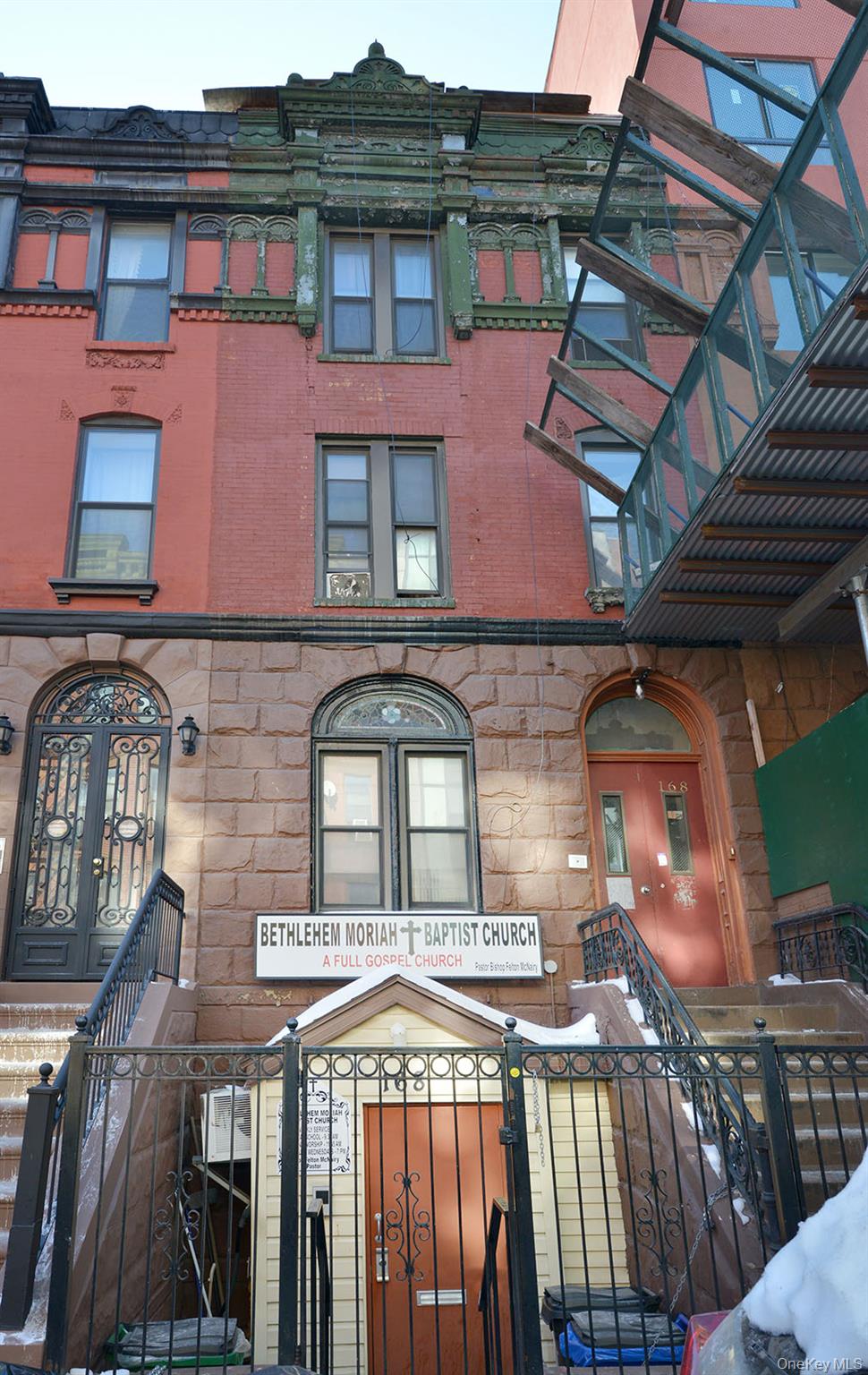
Many Upper West Side brownstones were cut into three, four, or more rental units generations ago, and the resulting buildings behave more like a small-multifamily asset class than like the neighborhood's larger elevator buildings. Underwriting one requires confirming the actual legal unit count against the certificate of occupancy, since informal subdivisions from decades past don't always match current filings, and that gap can affect both financing and the building's resale value.
Rent Stabilization Covers a Meaningful Share of the Rental Stock
A large portion of the neighborhood's pre-1974 rental buildings are subject to New York City's rent stabilization law, which caps annual rent increases on covered units regardless of what a free-market unit nearby might command. Underwriting a rent-stabilized building means working from legal registered rents on file with the state housing agency, not from assumed market rents, since the gap between the two can be substantial and directly changes the projected income the numbers are built on.
Lincoln Center Anchors Demand From 60th to 66th Street
The blocks immediately around Lincoln Center support a cluster of restaurants, music and instrument retailers, and residential demand tied to the performing arts campus, distinct from the more residential-serving retail further north on Broadway. Retail here also splits along the neighborhood's three main avenues: Broadway carries the widest mix of chain and independent retail, Columbus Avenue skews toward boutique and restaurant use, and Amsterdam Avenue carries a more neighborhood-service character.
Further north, the blocks above 96th Street toward Morningside Heights carry a different mix again, with Columbia University's satellite housing and a larger share of pre-1974 rent-stabilized buildings than the more expensive corridor immediately around Lincoln Center. A seller exiting a building in this northern stretch should expect pricing and buyer demand closer to Harlem's multifamily market than to the brownstone-heavy blocks in the 70s and 80s. Riverside Park and the West End Avenue corridor, meanwhile, carry a quieter, almost entirely residential character, with fewer retail-driven comparables than the busier Broadway and Columbus Avenue frontages a block or two east, so a residential building fronting Riverside Drive should be compared against similarly quiet stock rather than against avenue-facing retail buildings.
Underwriting an Upper West Side Replacement Across These Building Types
Because brownstone conversions, rent-stabilized buildings, and three distinct retail avenues all coexist here, the identification list should note which category each candidate falls into before the 45-day window closes.
- Brownstone-conversion multifamily buildings, verified against the certificate of occupancy for legal unit count
- Rent-stabilized rental buildings, underwritten on legal registered rents rather than assumed market rent
- Free-market prewar rental buildings along Central Park West and West End Avenue
- Retail near Lincoln Center serving performing-arts and cultural foot traffic
- Neighborhood retail split across Broadway, Columbus Avenue, and Amsterdam Avenue frontages
Financing Differs Sharply Between Stabilized and Free-Market Buildings
A free-market rental building finances against its actual achievable rents, while a rent-stabilized building is financed against its capped legal rents, which usually produces a lower loan amount relative to the building's physical scale. A brownstone conversion with an unclear legal unit count can also complicate financing until the certificate of occupancy question is resolved. Sorting out which category a target property falls into early gives the investor's tax advisor time to confirm the exchange numbers work before the 180-day closing deadline.
Common 1031 Exchange Questions
How do you underwrite a rent-stabilized rental building on the Upper West Side?
Work from the legal registered rents on file with the state housing agency for each unit, not from what a comparable free-market unit might command. The gap between legal and market rent can be significant and should be reflected directly in the income projections before the property is identified.
What should you verify before identifying a converted brownstone as replacement property?
Confirm the actual number of legal units against the certificate of occupancy. Many brownstones were informally subdivided decades ago, and a mismatch between the physical unit count and the filed record can affect both financing and future resale.
Does proximity to Lincoln Center add value to nearby retail or residential property?
It can, particularly for restaurant and cultural-adjacent retail in the blocks immediately surrounding the campus, but that demand driver is specific to those blocks and doesn't extend uniformly across the rest of the Upper West Side.
Are Broadway, Columbus Avenue, and Amsterdam Avenue retail comparable to each other?
Not directly. Broadway carries a wider mix of chain and independent retail, Columbus Avenue leans toward boutique and restaurant use, and Amsterdam Avenue is more neighborhood-service oriented, so comparable sales should be drawn from the same avenue rather than averaged across all three.
Is financing harder to arrange for a rent-stabilized building than a free-market one?
It isn't necessarily harder, but the loan amount is typically based on the building's capped legal rents rather than market rents, which usually produces a lower proceeds figure relative to the building's size than a comparable free-market property would support.