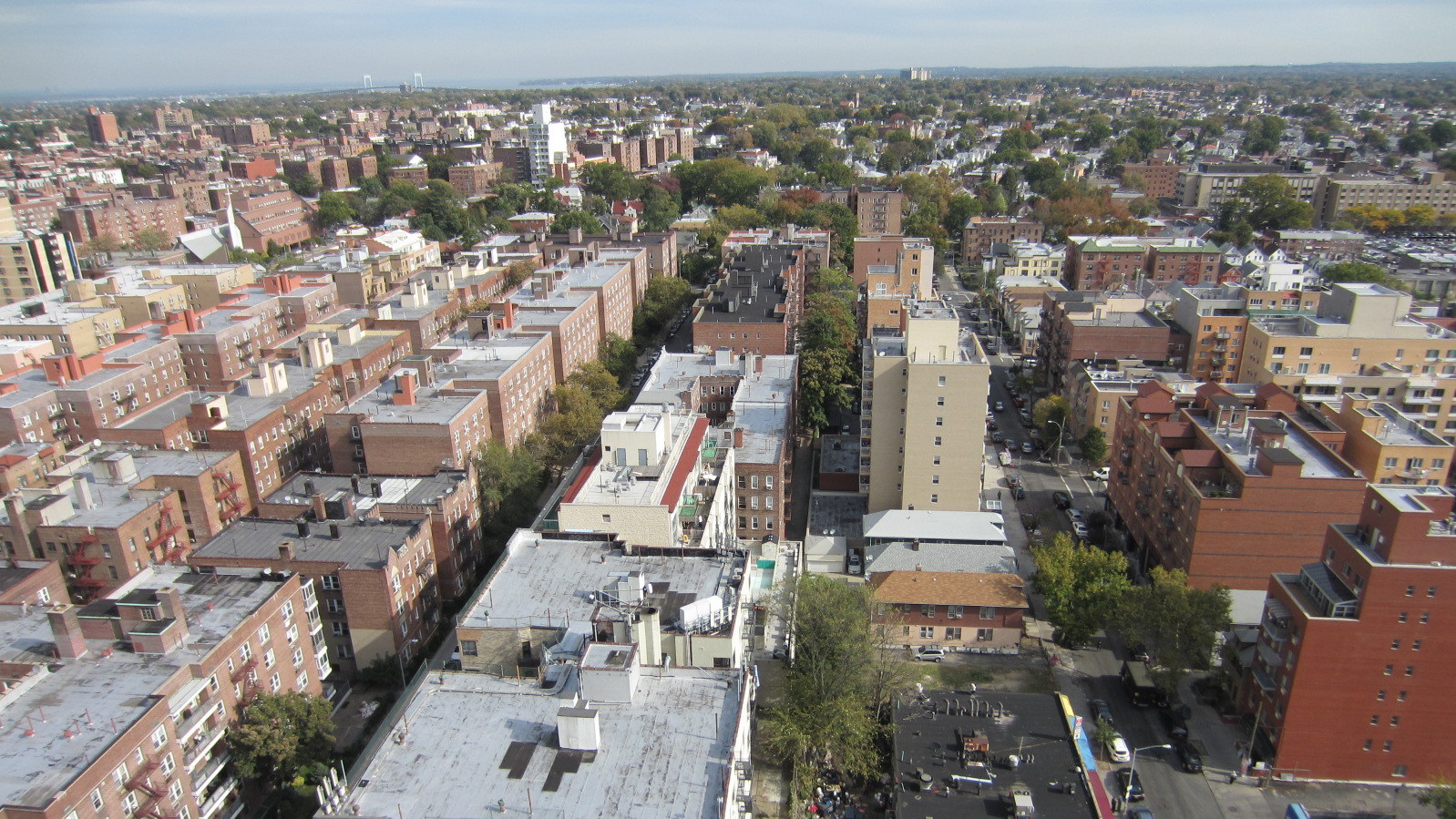
An Astoria seller heading into a 1031 exchange is usually moving out of a walkup apartment building, a mixed-use storefront property along Steinway Street or 30th Avenue, or a small industrial parcel near the Long Island City line. The federal clock that governs the trade does not care which New York City neighborhood the relinquished property sits in, but what closes inside that clock depends heavily on what Astoria and the surrounding Queens submarkets actually have on the market.
Astoria Asset Stock and Corridors
Astoria's building stock runs from pre-war walkup multifamily on the side streets to a smaller number of elevator buildings closer to the East River waterfront. Steinway Street and 30th Avenue carry the retail corridor, with ground-floor tenants ranging from long-standing Greek and Middle Eastern businesses to newer national chains testing the neighborhood. Toward the Long Island City border, auto repair shops, contractor yards, and light industrial parcels sit on some of the last low-rise commercial land in western Queens, and LaGuardia Airport's proximity keeps a small amount of flex and logistics demand active in that corridor.
Owners selling out of Astoria multifamily are frequently deciding between staying in a landlord role locally, moving into a triple-net retail asset that removes day-to-day management, or placing proceeds into a Delaware Statutory Trust if the sale is closing faster than a new acquisition can be underwritten. Each path changes what the identification list needs to include and how fast a lender can move.
Replacement Property Options Near Astoria
Multifamily inventory directly in Astoria turns over slowly, so sellers who want to stay in walkup or small elevator buildings often widen the search into Long Island City, Sunnyside, Woodside, or Jackson Heights rather than waiting on a single Astoria listing. That wider radius is usually necessary to satisfy the three-property rule without forcing a rushed purchase.
Sellers open to a different asset class have more room to work with. Self-storage facilities, single-tenant retail on outer-borough corridors, and medical office space in nearby Queens submarkets all trade on more predictable terms than a one-off multifamily building, and they can usually be underwritten inside a 45-day window with less guesswork.
Timeline Math for an Astoria Exchange
The exchange clock starts the day the Astoria property closes, not the day a buyer is found or a contract is signed. From that date, the taxpayer has exactly 45 days to deliver a written identification to the qualified intermediary and exactly 180 days, or the tax filing deadline if earlier, to close on a replacement.
- Day 1: closing on the relinquished property starts both clocks
- Days 1 to 20: initial search across Astoria, Long Island City, and Sunnyside inventory
- Day 45: written identification delivered to the qualified intermediary
- Days 45 to 150: diligence, lender underwriting, and rent roll review on identified candidates
- Day 180: replacement property closing, or the earlier tax return due date
Identification List Construction
Most Astoria sellers identify under the three-property rule, naming up to three replacement candidates regardless of value. That approach works when a seller has a short list of real contenders across Queens rather than a long menu of speculative options.
When a seller wants to keep more than three candidates open, the 200% rule allows an unlimited number of identified properties as long as their combined value does not exceed twice the relinquished property's sale price. The 95% rule, which requires acquiring 95% of everything identified, is rarely the right tool for an Astoria seller unless the list is already narrowed to properties the buyer intends to close on regardless.
Coordination Checklist Before Closing
A qualified intermediary has to hold the sale proceeds from the moment the Astoria property closes; the seller cannot touch the funds without triggering constructive receipt and losing the exchange. That intermediary role has to be set up before closing, not after.
Alongside the intermediary, the file needs a CPA or tax advisor confirming basis and boot exposure, a lender who has pre-qualified the buyer for the replacement asset class, and a title company that can turn a purchase around inside the remaining window. Form 8824 gets filed with the following year's tax return, and the documentation assembled during the exchange, closing statements, identification letters, and lender approvals, is what supports that filing.
Common 1031 Exchange Questions
What happens if nothing in Astoria fits the 45-day identification window?
The taxpayer is not required to identify property in Astoria specifically. Expanding the search to Long Island City, Sunnyside, or another asset class entirely is common, and a qualified intermediary or advisor can help widen the list before day 45 without changing the underlying exchange.
Can boot show up if the Astoria sale price is higher than the replacement purchase?
Yes. If the replacement property costs less than the relinquished property sold for, or if debt is not replaced at an equal or greater level, the difference is generally treated as boot and becomes taxable. A tax advisor should review the numbers before the identification list is finalized.
Who actually holds the money after an Astoria property sells?
A qualified intermediary holds the proceeds in a separate account for the duration of the exchange. The seller never has access to or control over those funds until they are applied to the replacement purchase, which is what preserves the exchange's tax treatment.
Does a slow buyer's financing extend the 180-day deadline for an Astoria exchange?
No. The 180-day period, or the tax return due date if earlier, runs regardless of how a purchase is financed. Lender delays are a reason to have a backup candidate identified rather than a reason the deadline moves.
Is a small mixed-use building on Steinway Street treated differently than a pure retail asset for exchange purposes?
Not under the exchange rules themselves; a mixed-use building is still real property and qualifies as like-kind to other investment or business real estate. The practical difference shows up in underwriting, since lenders and buyers evaluate the residential and commercial income separately when sizing debt for a replacement.